Critical Data
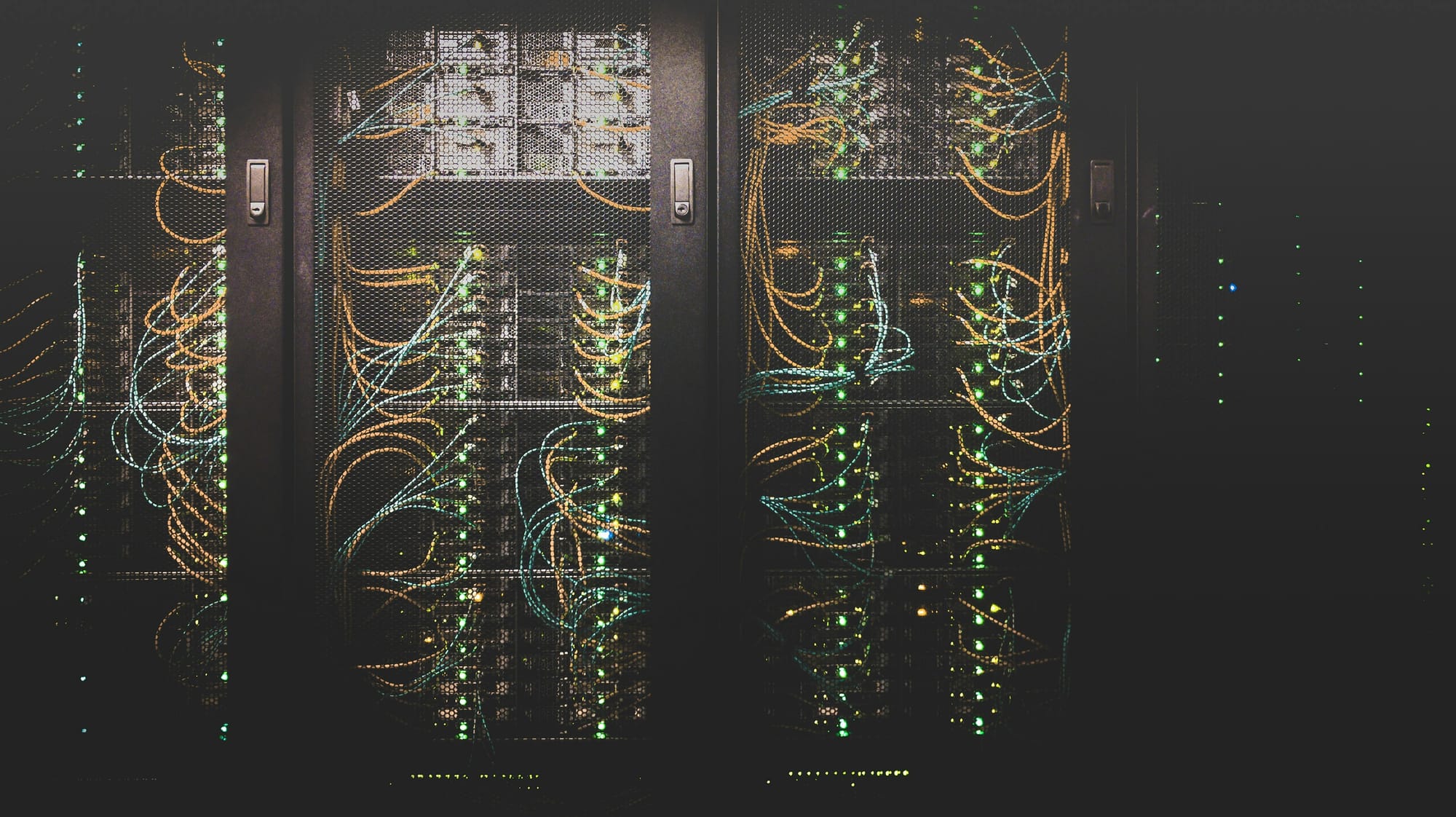
Last week, Green Party leader Zack Polanski called for a moratorium on new data centre approvals in England, arguing that the sector's water and electricity demands are being waved through under a "critical infrastructure" designation while millions of households sit under drought restrictions. The government's response was relatively blunt: a freeze would be self-sabotage, sending investment and jobs overseas and leaving Britain dependent on foreign-owned computing capacity for sensitive data.
Like it or loathe it, the frontier of A. I. is based on two fronts: compute power and algorithmic sovereignty, and the compute power story really is a story about land.
Former Conservative defence secretary Grant Shapps went further, calling a moratorium "an extraordinary act of economic self-harm" given the government's own estimate that AI Growth Zones could unlock up to £100 billion of private investment.
Both sides are, in their own way, right. And both are missing the point that matters most to anyone financing development in England right now: this isn't really an argument about data centres. It's an argument about who gets first call on serviced land, grid capacity, and water infrastructure and housebuilders and SME developers are not currently at the front of that queue in the gold rush for AGI. Data centres were designated critical national infrastructure in 2024, a status that puts them on comparable footing to hospitals and the water network when it comes to planning weight and, crucially, grid priority. Since January, new planning rules have gone further, adding data centres to the category of projects eligible for the nationally significant infrastructure regime, a faster, more centralised approval track that was originally built for power stations and reservoirs, not server farms. Five AI Growth Zones are now earmarked across Oxfordshire, the North East, North Wales, South Wales and North Lanarkshire. The government's own site criteria are revealing: candidate locations must demonstrate access to at least 500MW of power capacity by 2030, alongside suitable land and water connectivity. Set that figure against the grid connection queues most SME developers already contend with, waits of several years in parts of the country are now routine, and the competitive dynamic becomes obvious. A single qualifying data centre site can absorb the kind of grid capacity that would otherwise take years to allocate across dozens of housing schemes.
This is not a hypothetical. Dublin has already paused new data centre development until 2028 because of power shortages and the risk of rolling blackouts, a warning of what happens when digital infrastructure growth outpaces the grid's ability to serve everything else built around it. That may soon be a factor here.
The public debate has understandably focused on water restrictions affecting over 27 million people in England while, campaigners argue, data centres are prioritised for supply. But for anyone underwriting a development finance deal, the more immediate exposure is upstream of the tap: grid connection timelines and land competition in exactly the locations SME developers rely on. Data centres favour many of the same characteristics as good housing sites: flat land close to existing substations, reasonable proximity to population centres, and brownfield availability. The Green Party's preferred fix, pushing data centres onto brownfield land near renewable generation, would, if implemented, put them in direct contention with the sites regeneration-focused SME developers are trying to bring forward. A hyperscale operator can typically outbid a housing scheme for land where grid capacity is the constraint, because the revenue per acre from computing infrastructure dwarfs almost anything residential.
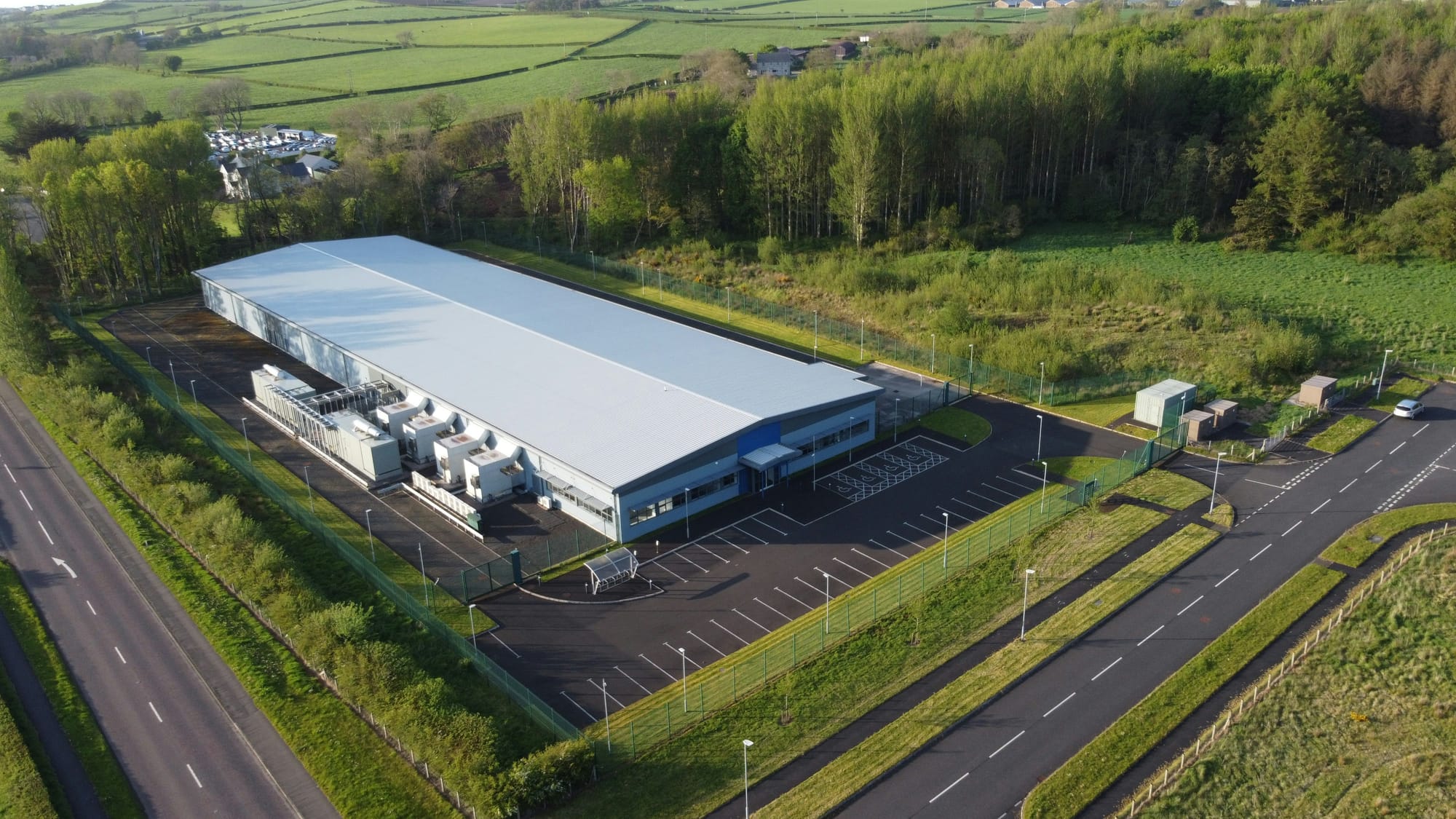
For lenders, that has a quiet but real appraisal implication. Any scheme dependent on a grid upgrade or a new substation connection should now be treated as more exposed to queue-jumping by nationally significant infrastructure projects than it would have been eighteen months ago. Developers and their funders should ask earlier, not later, whether a site's power connection has any realistic competing claim on it and build longer contingency into programmes that assume a straightforward DNO upgrade.
It would be lazy to frame this purely as data centres eating housing's lunch; the government's position that a moratorium risks sending £100 billion of investment and associated jobs abroad is a legitimate economic argument, and AI Growth Zones are explicitly designed as much as energy and infrastructure programmes as they are property-development ones. Some of that investment will fund grid reinforcement that benefits everyone downstream, including future housing schemes in the same region. There's also no consensus yet on the actual scale of the problem: water consumption estimates for data centres vary wildly depending on cooling technology, and newer AI facilities using closed-loop systems consume a fraction of what older designs required.
The honest reading is that this is an unresolved policy fight, not a settled one, and unresolved fights are exactly where planning risk accumulates for anyone with a live scheme in the pipeline. We've discussed these sorts of unresolved fights in these blogs many times over the years, and many remain unresolved, but the core takeaway we see for lenders and brokers isn't to avoid regions with AI Growth Zone ambitions; it’s quite the opposite: the associated grid investment could eventually de-risk connections for nearby housing sites. The takeaway is to price grid and utility risk explicitly rather than assuming it away. Due diligence on any scheme with an outstanding DNO connection should now include a live check on competing large-load applications in the same catchment, not just a generic "connection expected" assumption from the developer's own advisers.
This is a planning and infrastructure story today. Within twelve months, if our assumptions are correct, it will be a development appraisal story, and the lenders asking the right questions now will be the ones not caught out later.
Invest & Fund has returned over £389 million of capital and interest to lenders with zero losses, showing the rigour that governs our business. To take maximum advantage of this robust and exciting asset class, please visit www.investandfund.com
Don't invest unless you're prepared to lose money. This is a high-risk investment. You may not be able to access your money quickly, and you are unlikely to be protected if something goes wrong. Take 2 minutes to learn more.