Development Scares

As Halloween approaches, plenty of people will be watching horror films with the lights off, and anyone who has managed a development finance case knows the real scares aren't on Netflix. They are hiding in appendix seven of the appraisal, in the ecology report nobody has commissioned yet, and in the cost plan that looks a little too tidy for comfort. Here are some monsters that haunt development deals, and the due diligence that sends each one scurrying back under the bed. For brokers and developers, each is a lesson in how to get a scheme funded rather than falling victim to the jump scares, so read on, and don’t have nightmares!
Every good horror monster film starts with something small and green that nobody takes seriously. Japanese knotweed exploits cracks in tarmac, masonry and drainage, and its root system can spread several metres underground from the visible growth. It also comes with some scary legal teeth. Allowing it to spread into the wild is an offence, and excavated soil containing it is classed as controlled waste, which means licensed disposal. Treatment can take years. The sting in the tail is the exit: if the end buyers' mortgage lenders get nervous about knotweed, your GDV assumptions start to wobble. The successful protagonists in this creature feature get a specialist survey early, especially on brownfield and edge-of-settlement sites. If it's present, put a costed management plan with an insurance-backed guarantee into the appraisal and the programme.
Lenders don't panic about knotweed that has been found. They panic about knotweed that hasn't, what could be lurking out there, in the dark.
Folklore warned us about trolls who demand payment before you can cross, and the development world has its own version: a narrow strip of land, sometimes only a few feet wide, sitting between your site and the public highway, owned by someone else. That someone else now holds the key to unlocking your scheme. The benchmark often cited is Stokes v Cambridge Corporation (1961), where the owner of an access strip was awarded around a third of the development uplift. Even where the price is negotiable, the delay is not. The successful Troll hunters in this feature acquire a proper title review before the term sheet, not after. Check access, visibility splays, adoption of roads and sewers, and any unregistered slivers along the boundary. A solicitor's title report confirming clean access is one of the most reassuring documents a lender can read.
No horror line-up is complete without a creature from the pond. The great crested newt is a protected species and disturbing it or its habitat without the right licence is an offence. The real fright here is the calendar. Newt surveys can only be carried out in a seasonal window, broadly from spring into early summer. Miss it, and you can be waiting the best part of a year to start.
On a development loan, every month of delay adds interest, holding costs, and market risk. Commissioning ecology early and treating it as a programme item, not a box to tick. Ask whether a district-level licensing scheme operates in the area, as these can allow a developer to pay into a conservation scheme rather than run full surveys. Either way, the answer should be in the pack before the lender asks.
The scariest ghost story in property goes like this. The slab is down, the frame is half up, and one Monday morning the site is silent. The contractor has gone into administration. Construction consistently records some of the highest insolvency numbers of any UK sector.
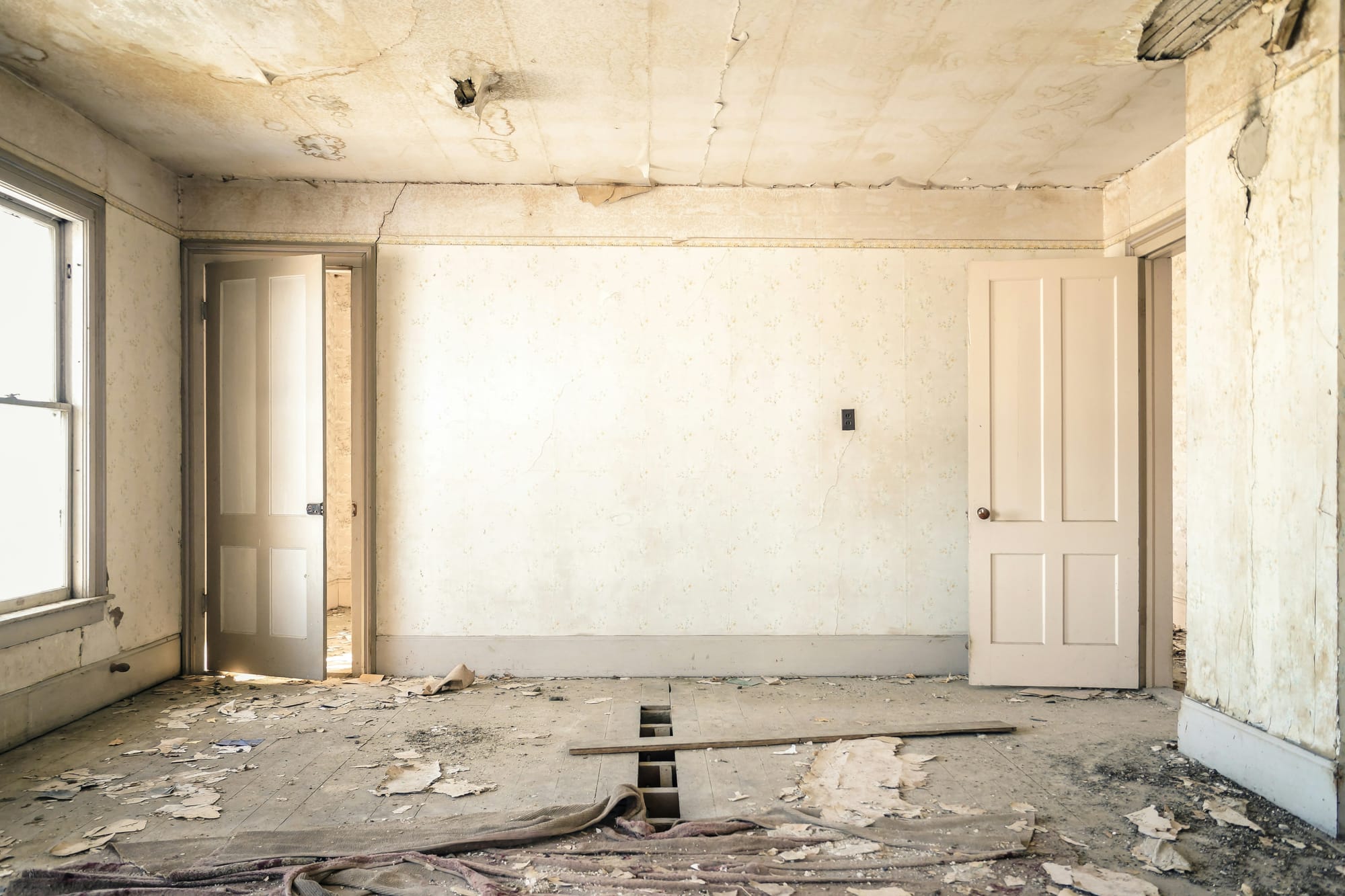
Fixed-price contracts signed before cost inflation have squeezed margins thin, and even large, well-known names have failed in recent years. When a contractor goes mid-build, the developer faces re-tendering at today's prices, delays while a replacement mobilises, and arguments over who is responsible for work already done. The Ghostbusters involved here do due diligence on the contractor, fully understanding that it matters as much as due diligence on the developer; they review accounts, the order book, and track records on similar schemes, and most of all check for performance bonds, collateral warranties, and sensible retentions. This is also where our structure helps. Staged drawdown, released against progress verified by an independent monitoring surveyor, means money follows work that exists, which limits the damage if the ghost does appear.
And now the most frightening thing of all, just when you think the monsters are all gone, one final jump scare, which isn't a weed, a newt or a ghost contractor. It's a single line in a spreadsheet: contingency, 2%. It looks efficient. In reality, it is a confession that the appraisal assumes nothing will go wrong on a project where something always does. Ground conditions, design changes, supply chain delays, utility connections- the four monsters that hunt down and eat budgets. Contingencies of 10% are far more typical, depending on how advanced the design is and how complex the scheme.
A thin contingency doesn't just risk a cost overrun. It squeezes the loan-to-cost headroom, leaves no cushion if a stage payment runs short, and tells a credit committee the developer may not have stress-tested the numbers.
To survive this last monster, set a realistic contingency, backed by a quantity surveyor's cost plan, and be ready to explain how you arrived at it. A slightly higher number with clear workings is far more fundable than a low number nobody can defend.
Every monster on this list has one thing in common: it is only truly scary in the dark. Knotweed, ransom strips, newts, shaky contractors, and wafer-thin contingencies are all manageable when found early, costed properly, and explained clearly. That is what good due diligence does. It turns the lights on. For brokers, flagging these issues at the outset is the quickest way to get a case through credit. For developers, it is the difference between a scheme that stalls and one that gets built. We aren’t scared off by a monster that's been identified; we just want to know you've looked under the bed!
Invest & Fund has returned over £389 million of capital and interest to lenders with zero losses, showing the rigour that governs our business. To take maximum advantage of this robust and exciting asset class, please visit www.investandfund.com
Don't invest unless you're prepared to lose money. This is a high-risk investment. You may not be able to access your money quickly, and you are unlikely to be protected if something goes wrong. Take 2 minutes to learn more.