Empty
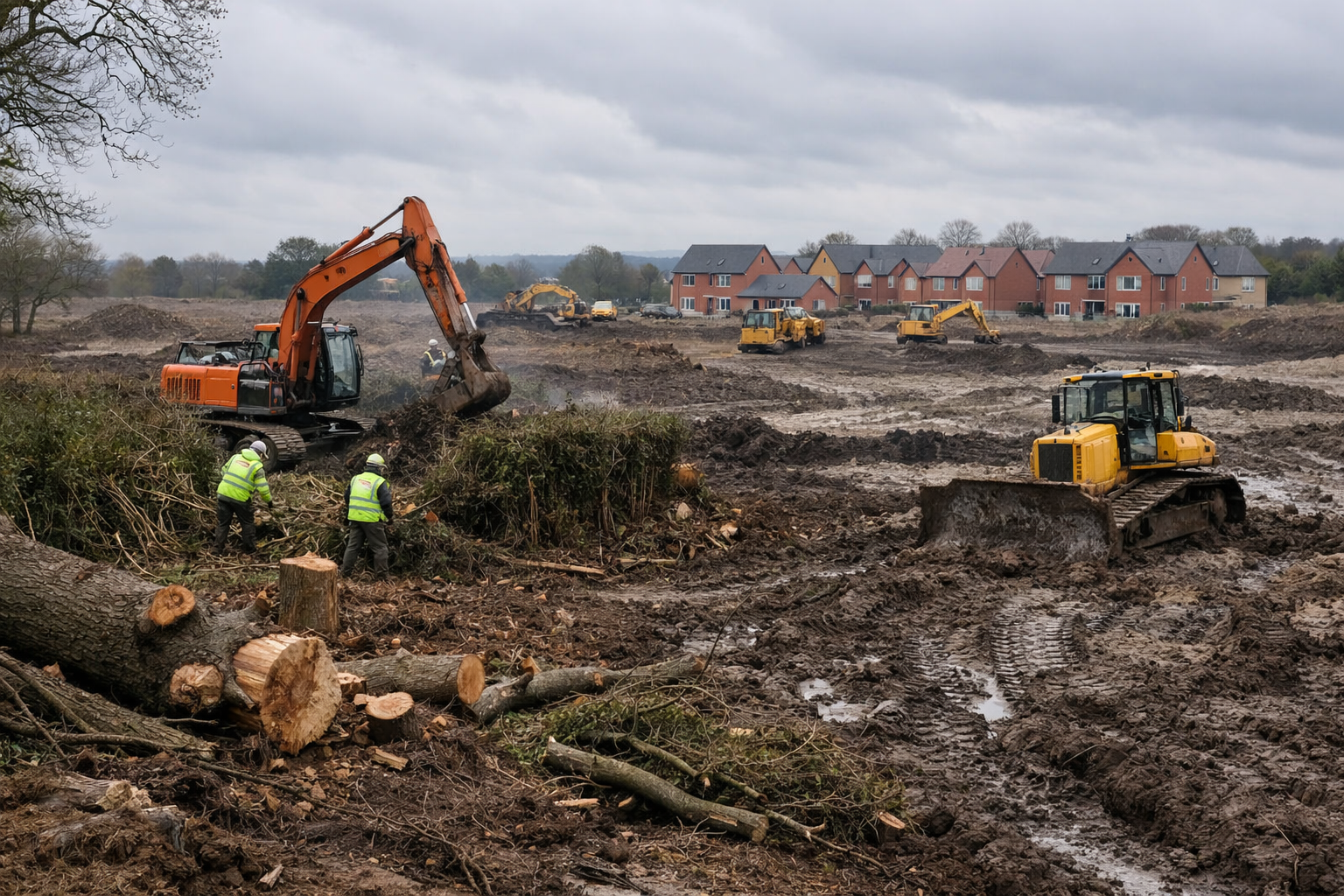
In this week's blog, we have picked up on a counternarrative quietly emerging in the press: quite simply, we don’t need to build more homes, and the housing shortage is simply a direct result of wasted stock. To go a step further than that, it’s also being subtly suggested that the rambunctious slogansim of the 'build, build, build' strategy is steeped in commercial cynicism, a way to pave the way figuratively and literally for the big six to extend their balance sheets deeper into the Green Belt. So, let's unpack the data and have a look!
Over 50,000 homes in England are sitting empty long-term, unused, deteriorating, and tied up in capital, while millions of people struggle to find somewhere decent to live. This figure has fuelled the growing argument that Britain “doesn’t need to build more homes”, and that the housing shortage is really a problem of misused or wasted housing stock. While it’s true that empty homes are both a symptom and a contributor to wider housing issues, this argument on its own doesn’t solve the crisis. Understanding what these homes are, why they’re empty, and why the system is failing reveals both the potential and the limits of repurposing vacant properties, and ultimately underscores why building more homes must be part of the solution.
The 50,000 figure cited by campaign groups and commentators refers to long-term empty properties in England that have been vacant for 2 years or more and are not in regular use. These long-term vacancies are a small subset of the much larger number of empty properties nationwide: on the latest figures, hundreds of thousands of homes are vacant for more than six months, and when you include short-term empties, second homes and unoccupied exemptions, over one million dwellings are currently unoccupied in England. These empty homes are not a single homogeneous category; they include derelict and neglected properties, often in need of significant investment or refurbishment before they can be rented or sold. They also include probate or legal limbo homes, inherited properties tied up in legal disputes or stalled by family indecision. If you have even been contacted by a “heir hunter” regarding Great Aunt Dot's abandoned mansion, that would have likely been on a list included in these figures. The stats also include homes between tenancies or sales, the usual “churn” you see in healthy rental markets, which account for short periods of vacancy.
Despite the media focus on “50,000 empty homes,” it’s worth noting that long-term empties, the ones most often cited, are just a fraction of the total housing stock and even a smaller fraction of the homes that are physically empty at any given moment. The geographical distribution of these empty homes is also completely uneven, with long-term vacant properties often found in post-industrial towns, rural areas, and parts of the North of England, where economic demand and property values are lower. By contrast, areas with high housing pressure, such as London and the Southeast, also have empties but typically at lower rates as a proportion of stock. This distribution matters: a home sitting empty in a declining town can’t simply be moved to a booming city where tens of thousands of people need housing; the housing situation is not necessarily a numerical problem: housing is measured in functioning communities, not units.
Even if empty homes represent a real problem and a waste of useful stock, they cannot, on their own, resolve the broader housing crisis because the scale of the unmet need massively exceeds the empty stock. Government estimates put the required annual housing supply in England at hundreds of thousands of homes just to keep pace with population growth, household formation, and affordability pressures. Think tanks have suggested the UK has a cumulative shortfall of millions of homes built over the past decades, and location is everything. Empty homes often sit in areas without jobs, infrastructure, and economic demand, whereas much of the housing shortage is in high-demand areas like London, the Southeast, and growing regional cities, where job opportunities attract more people.
Even though supply alone won’t solve affordability problems, economic research shows that increasing housing supply puts downward pressure on prices and rents and improves access for new households. A supply shortage tends to entrench high prices over time. We believe that framing the debate as “empty homes vs new homes” is a false dichotomy. The right solution is multi-pronged: yes, it involves bringing empty homes back into use, but the key to unlocking the problems is increasing the annual supply to meet demographic and economic demand. This is done by reforming the entire planning system and supporting the funding mechanisms, such as our sector, so housing is built faster and in the right places.
Empty homes are a visible symptom of deeper flaws in Britain’s housing system, inefficiencies, poor allocation, and policy failure. They are a resource we should absolutely aim to use better, and we are not making light of that.
But they are not a silver bullet.
Their numbers are small relative to total unmet need, and converting them into homes won’t meet the scale or geography of demand. The reality is this: we need both smarter use of what we already have and significantly more homes built, quickly, affordably, and where people want to live. Ignoring one in favour of the other undermines a holistic response to one of Britain’s most pressing social challenges.
Invest & Fund has returned over £330 million of capital and interest to lenders with zero losses, showing the rigour that governs our business. To take maximum advantage of this robust and exciting asset class, please visit www.investandfund.com
Don't invest unless you're prepared to lose money. This is a high-risk investment. You may not be able to access your money quickly, and are unlikely to be protected if something goes wrong. Take 2 minutes to learn more.