Space
There is an intentionally engineered and somewhat comforting story attached to the index tracker. Chapter one: buy one fund, the story goes, and you own the whole market- hundreds or thousands of companies, spread across sectors and continents, with risk diluted to a level that lets you stop worrying and get on with your life. The end. For a long-horizon investor, much of that story holds up. Professionals will charge all manner of fees to attempt to beat the market, but the secret sauce here is that trackers are cheap, transparent and, over decades, very hard to beat. If you have time on your side, you can avoid fighting the market by just letting it carry you along. But the word doing the heavy lifting in this story is "diversified", and it is worth asking how diversified a tracker actually is.
Starting with how companies get into an index in the first place. An index, alas, is not "the market". It is plain and simple, just a rulebook. Take the S&P 500; this index requires, among other things, that a company has been listed for a minimum period, meets size and liquidity thresholds, has an adequate free float, and, crucially, has posted a run of profitable quarters. Different indices apply different rules; the Nasdaq-100, for instance, leans on market capitalisation and largely sets profitability aside. The practical consequence is that two funds are arguably both marketed as "diversified trackers" yet can hold materially different assets, because their rulebooks differ. There is nothing wrong with that; you're essentially betting on the ingenuity of humankind to continue to industrialise; the upside over a long enough time period, given monetary supply is infinite and our societal requirements are infinite, is likely nothing less than infinite, but what if your requirements are over a much shorter horizon?
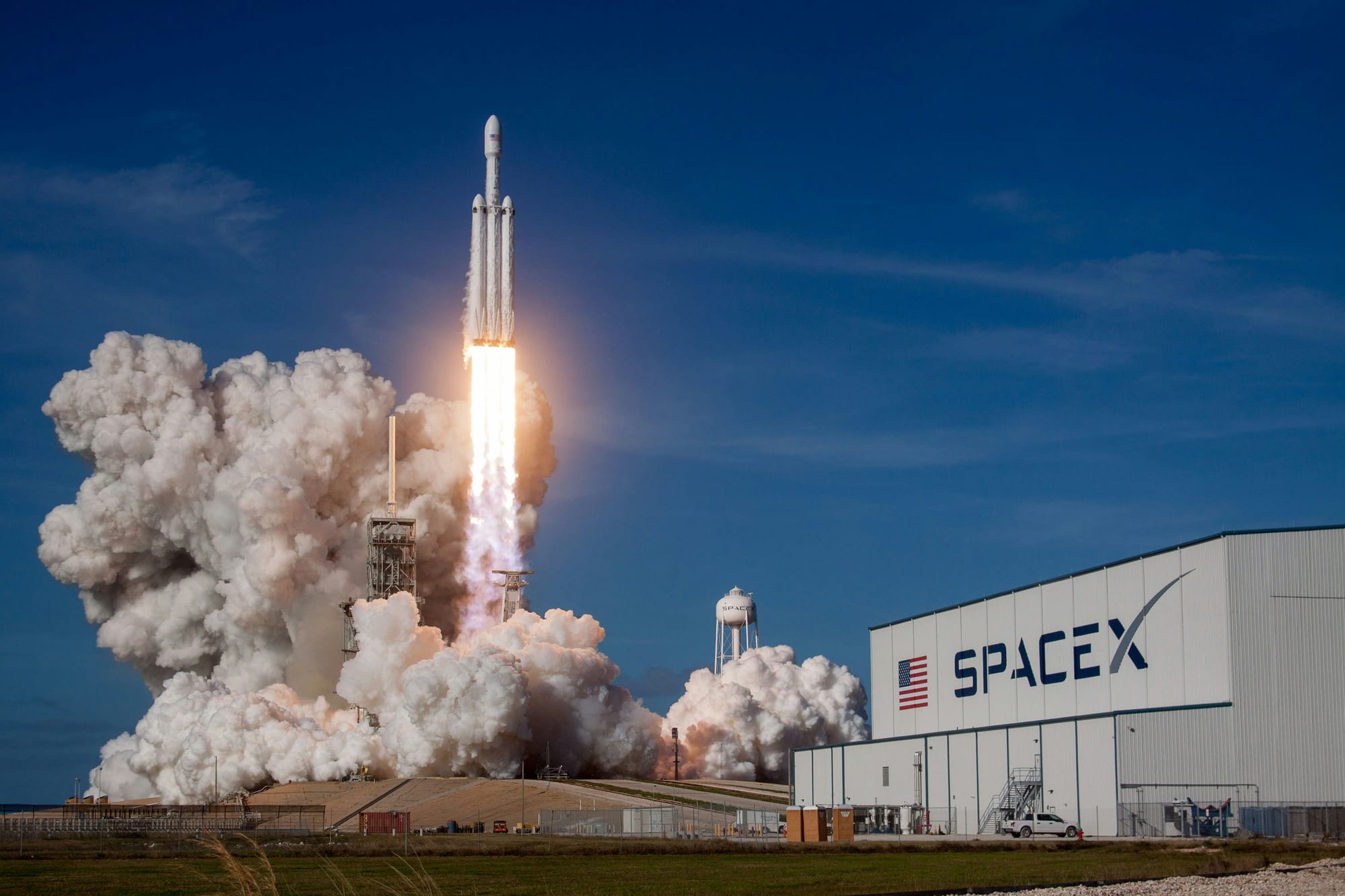
SpaceX is the live illustration of this concept. The company floated on 12 June 2026 in the largest IPO in history, raising around $75 billion at a valuation of nearly $1.8 trillion. It cannot join the S&P 500, yet it is heavily loss-making and has not traded long enough to clear the profitability and tenure rules; however, it has been eligible for inclusion in market-cap-driven benchmarks such as the Nasdaq-100, which means tracker funds built on those indices are obliged to buy it, regardless of price or anyone's opinion of it. If you hold one of those funds inside an ISA or a pension, you may now own a slice of SpaceX and all the volatility that goes with it, without ever having decided to. There is also the human element, which the word "passive" tends to obscure. Indices are maintained by committees, not criteria; the S&P Dow Jones Index Committee is perhaps the best example of this. They decide when rules are met, when exceptions apply, and when a company goes in or comes out. These are judgement calls. A "passive" fund simply inherits a series of active human decisions made upstream about what the index should contain. You are not escaping discretion in any sort of mathematical way; you are simply delegating it to people you will never meet.
Now layer on concentration, perhaps the biggest concern in the sort of market we are in; most major trackers are market-capitalisation weighted, so the largest companies dominate. As of mid-June 2026, the "Magnificent Seven" of Apple, Microsoft, Nvidia, Amazon, Alphabet, Meta and Tesla make up around 33% of the S&P 500, and the top ten holdings accounted for roughly 38–40%. A decade ago, the top ten were closer to 18%. The growth-tilted Russell 1000 Growth Index is even more extreme, with its top ten names north of 60%. The clearest way to see the effect: an equal-weighted version of the S&P 500 cuts the Magnificent Seven's combined influence from about a third of the fund to roughly 1.4%. Same 500 companies, wildly different exposure. You may think you own 500 businesses; in practice, a handful of them drive most of what happens to your money. Global trackers soften this only a little, since they remain heavily weighted towards the same US mega-caps.
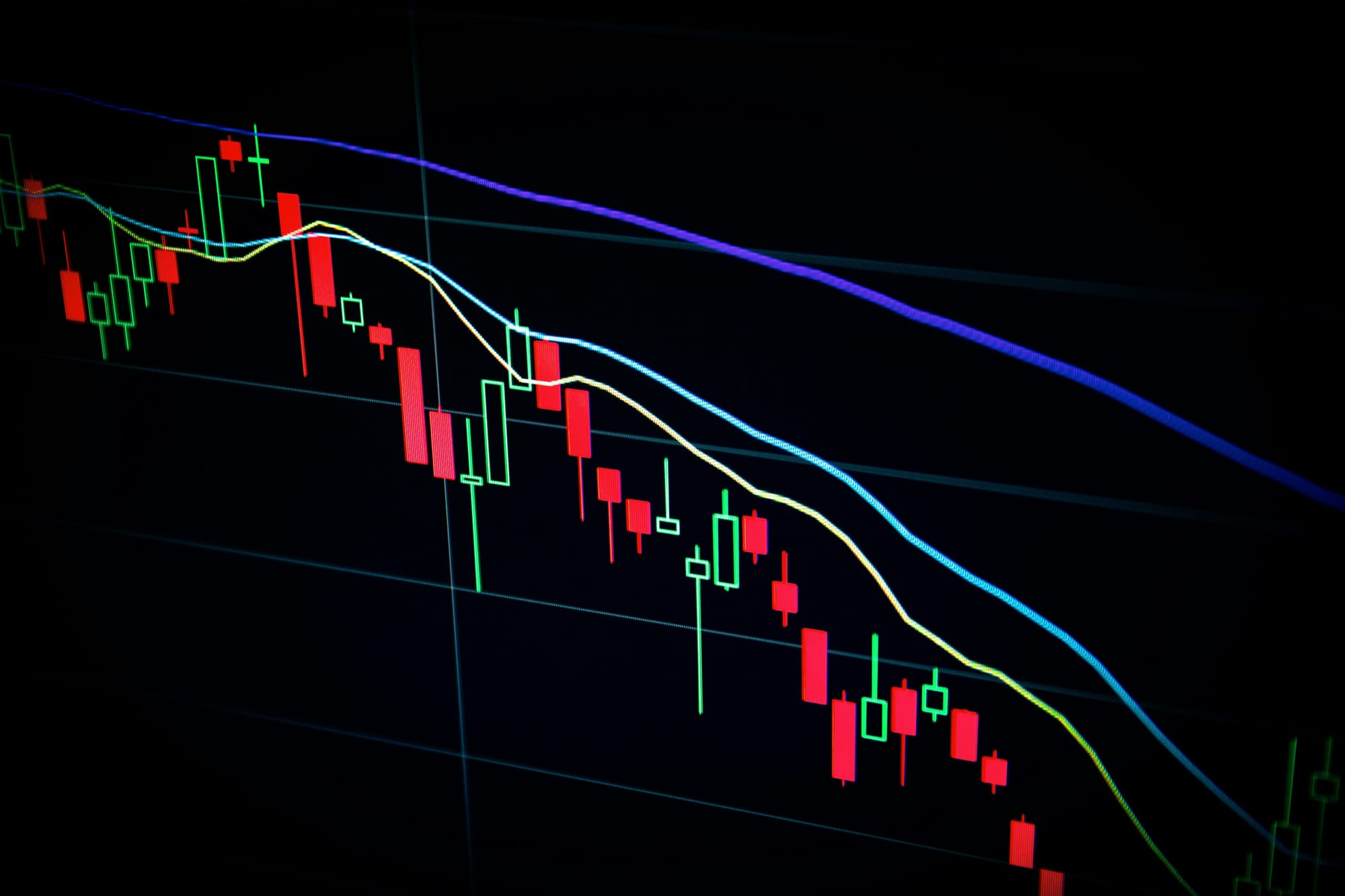
Which brings us back to SpaceX, and to volatility. In its first fortnight as a public company, the shares opened well above their $135 offer price, around $150, surged to an intraday peak of $225.64 on 16 June, then fell for three straight sessions, at one point dropping below their debut price and wiping hundreds of billions in value before steadying near $153 by late June. That is a roughly 33% retracement from the peak in under two weeks. A thin free float, with only about 4% of the shares actually tradable, magnifies every move in both directions. None of this is unusual for a hyped listing; Coinbase fell 55% and Robinhood 74% in their first year as public companies. The point is that this volatility does not stay outside the index. As SpaceX enters cap-weighted benchmarks, its swings flow straight into the "diversified" wrapper millions of savers hold. For an investor with a long time horizon, this is largely noise. Drawdowns recover, the maths of compounding rewards patience, and a saver with thirty years ahead of them can shrug off a bad fortnight or a bad year. This is exactly why trackers deserve their place as the core of most portfolios. The criticism here is not of trackers as a concept; it is of the assumption that the label "diversified" means what most people think it means.
The real difficulty is time horizon. If you expect to need your capital in one, two or three years a property deposit, school fees, a planned drawdown in retirement, working capital then a 30% fall at the wrong moment is not noise; it is the entire problem. Equity markets do not consult your calendar. The risk of being forced to sell into a retracement is precisely the risk that reassuring long-horizon averages hide.
This is where genuinely different return profiles earn their place. Secured, fixed-income-style investments behave differently from equities because their returns are contractual rather than sentiment-driven. At Invest & Fund, that means lending to established SME residential developers, secured by a first legal charge over the underlying property, with funds released in stages against build progress and a defined term and target return agreed at the outset. The return does not depend on where the Magnificent Seven trade next week, and the maturity can be matched to roughly when you actually expect to need the money.
The caution is simply this: "diversified" is doing a lot of work in the pitch, and what sits under the bonnet is more concentrated, more rules-driven, and more shaped by human judgement than the label suggests. Knowing that, and pairing broad equity exposure with secured, term-defined income for the money you need sooner, is how you stop owning a portfolio that only really suits one time horizon and start to genuinely “diversify”.
Invest & Fund has returned over £389 million of capital and interest to lenders with zero losses, showing the rigour that governs our business. To take maximum advantage of this robust and exciting asset class, please visit www.investandfund.com.
Don't invest unless you're prepared to lose money. This is a high-risk investment. You may not be able to access your money quickly, and you are unlikely to be protected if something goes wrong. Take 2 minutes to learn more.