You Spin Me Round
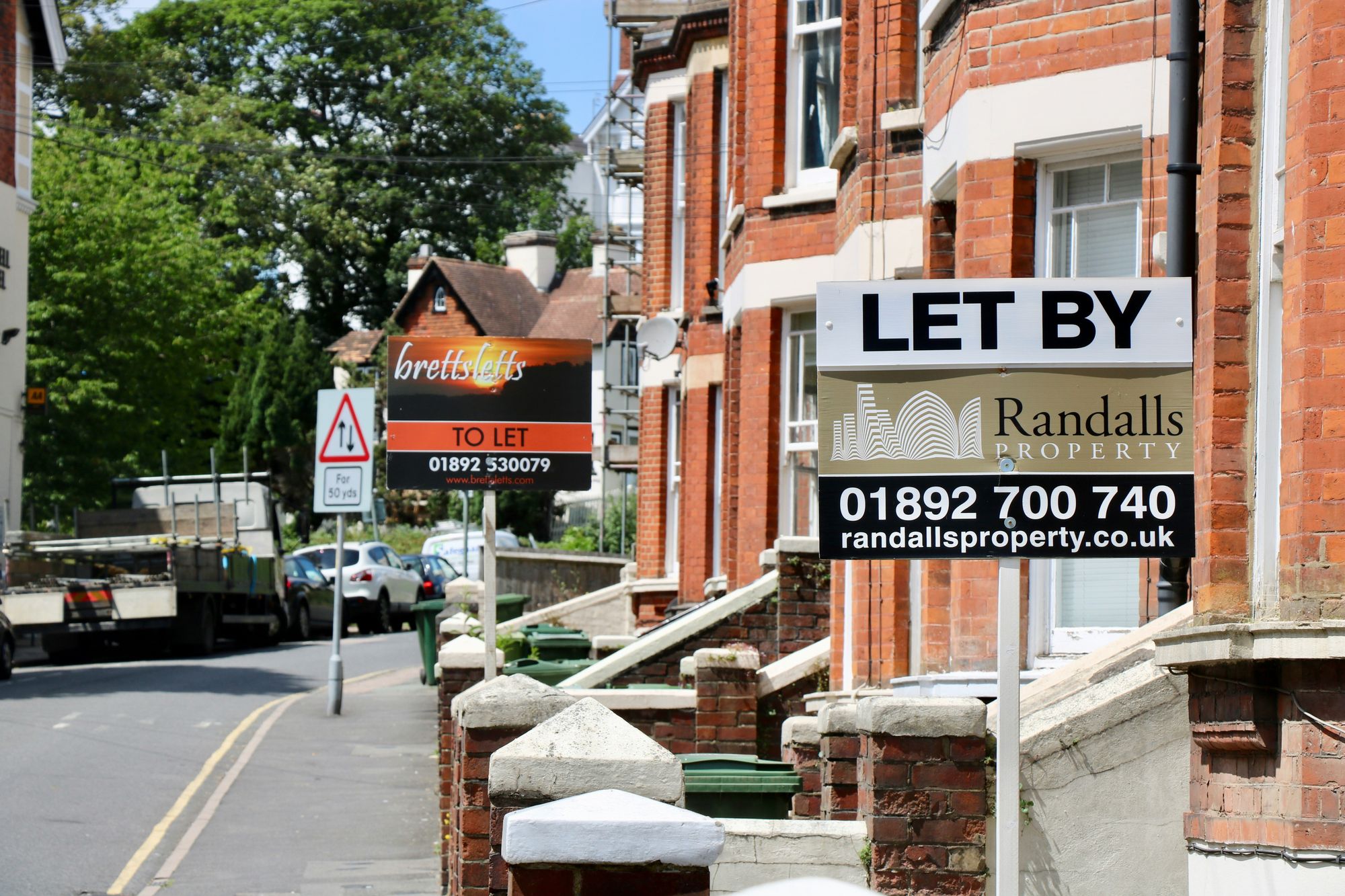
When the Office for National Statistics published its latest private rent and house prices bulletin in February 2026, it was a good chance to look back on some of our predictions from last year in relation to the rent spiral. Maybe it would have been a fairer assessment to call this piece “the end is not nigh,” as, with the benefit of hindsight and some calmer waters, our take on ‘build now or regret later’ may have seemed a tad alarmist. You could even argue that the new ONS numbers look almost reassuring. Average UK rents rose by 3.5% in the year to January 2026, down from 4.0% the month before, and the slowest rate of growth since March 2022. Property commentators have been quick to declare that the rental boom is cooling...but we feel the slowdown in rent growth is not the real story. The story is where rents already are, how they got there, and what happens to the country if supply does not keep pace with a demand that has not gone away. The ONS data is not a reason for relief. It is a warning, and it actually makes one of the most urgent cases yet for building more homes.
Starting with the headline figure, the average UK monthly private rents have reached £1,367, up 3.5% in the twelve months to January 2026. That is a new record. The growth rate may be slowing, but the absolute level keeps climbing, and rents have never been higher. For millions of tenants across the country, the news that the rate of increase is softening offers precisely zero relief from bills they are already struggling to pay. Looking beneath the national average and the regional picture becomes more acute. In the North East, for instance, private rent inflation hit 8.0% in the twelve months to January 2026, the highest of any English region. This is the part of the country where average wages are lowest, where households have the least financial cushion, and where an 8% rent increase lands hardest. In Wales, average rents rose by 5.8%, a financial reality confronting millions of people outside the London bubble that so much housing commentary focuses on.
London tells its own story as it always does. Annual rent inflation in London was just 1.1%, the lowest in England, yet the average rent in the capital stands at an eye-watering and unsustainable £2,253 per month. The slowdown is not evidence of affordability; it is evidence of a ceiling. Rents in London have hit the outer limit of what the market can bear, and Tenants simply cannot pay more. That is not a healthy equilibrium; it is a pressure valve at maximum capacity before demand destruction. To understand why the ONS data should alarm policymakers, investors, and anyone involved in housing, you need to understand what these numbers mean in practice for real households.
Financial advisers and letting agents alike apply the 30% rule: the generally accepted standard that housing costs should consume no more than 30% of gross income. Households with 40% or more are considered to be in financial stress. Beyond that, they begin making impossible choices between rent and food, between rent and energy, between rent and saving anything at all for the future. The average UK renter paid £10,580 in rent during 2025, consuming 41% of their take-home pay, up sharply from 36% the previous year. The country, as a whole, has already crossed the affordability threshold. And the situation is considerably worse in specific geographies. Every single London borough has breached the 40% affordability line. In twelve London boroughs, tenants spent more than half of their annual earnings on rent in 2025. A year ago, only three boroughs had crossed that 50% threshold.
This is not a London problem that provincial England can observe at a comfortable distance. Manchester has now entered the top ten least affordable cities in the UK. Brighton sees tenants spending 47% of their income on rent. The affordability crisis is spreading outward from the capital at a pace, mirroring the pattern of renters being pushed further from expensive city centres in search of affordable rents. And as they move, they bid up rents in areas that were previously manageable, compressing affordability across an ever-wider geography. More than half of UK renters, 56% to be exact, are staying put in their current properties despite wanting to move, with almost three quarters citing housing costs as the reason. This market has seized up. Mobility has collapsed. People cannot move closer to work, cannot upsize for growing families, and cannot downsize when circumstances change. The economic and social consequences of a locked rental market ripple far beyond housing. Labour mobility, productivity, family formation, and mental health are all downstream of the ability to find a home you can afford.
The slowdown in rent growth recorded by the ONS is, paradoxically, one of the most worrying signals in the report. It is not a sign of supply catching up with demand. Zoopla's analysis, which included data from the wider data, confirms that the number of rented homes is broadly unchanged over the past decade, with little prospect of near-term growth. The slowdown is a sign that the market has reached the edge of what tenants can physically pay. The ceiling has been found, not because the supply problem has been solved, but because households have run out of financial road. History and economics are clear about what follows when essential housing costs become unaffordable at mass scale. The consequences are not abstract; they are already measurable. One-third of men and 22% of women aged 20 to 34 now live with their parents, a figure that has grown by nearly 10% over the past decade. Young people are not entering the rental market because they cannot afford to. They are staying in parental homes, deferring independence, delaying family formation, and suppressing a wave of housing demand that will not disappear; it is simply accumulating.
When concealed households do eventually enter the market, as life events force them to, they will do so into a rental stock that has not grown to accommodate them. The pressure release, when it comes, will not be gentle. Landlord exits from the sector, driven by tax changes, the Renters' Rights Act, and the regulatory complexity of the private rented sector, are already reducing available stock in many areas. Average UK rents have risen by 34% over the past 4 years, since the pandemic. If the structural supply deficit is not addressed, and demand returns to the market in force as it inevitably will, the next leg of rent increases could make the post-pandemic surge look restrained. The economic consequences of mass unaffordability go further still. Housing costs that consume 40% or 50% of income are not only a personal financial crisis for the individuals involved but also a significant drag on consumer spending, savings rates, and economic activity more broadly. A workforce that cannot afford to live near its employment is less productive. A generation that cannot save for a deposit is a generation locked out of wealth accumulation. The housing crisis is simultaneously a productivity crisis, a generational equity crisis, and a fiscal crisis: as the state picks up ever more of the tab for housing benefits for private-sector renters priced out of anything else.
Every home built is rent relief. Every site funded, every scheme completed, every small housebuilder given the capital to get on site is a direct intervention in a market that is failing the people who depend on it most. The data has never made the case more clearly.
The question is whether the industry will respond at the pace and scale demanded.
Invest & Fund has returned over £330 million of capital and interest to lenders with zero losses, showing the rigour that governs our business. To take maximum advantage of this robust and exciting asset class, please visit www.investandfund.com
Don't invest unless you're prepared to lose money. This is a high-risk investment. You may not be able to access your money quickly, and you are unlikely to be protected if something goes wrong. Take 2 minutes to learn more.